Why Extending Your Boiler’s Lifespan Matters
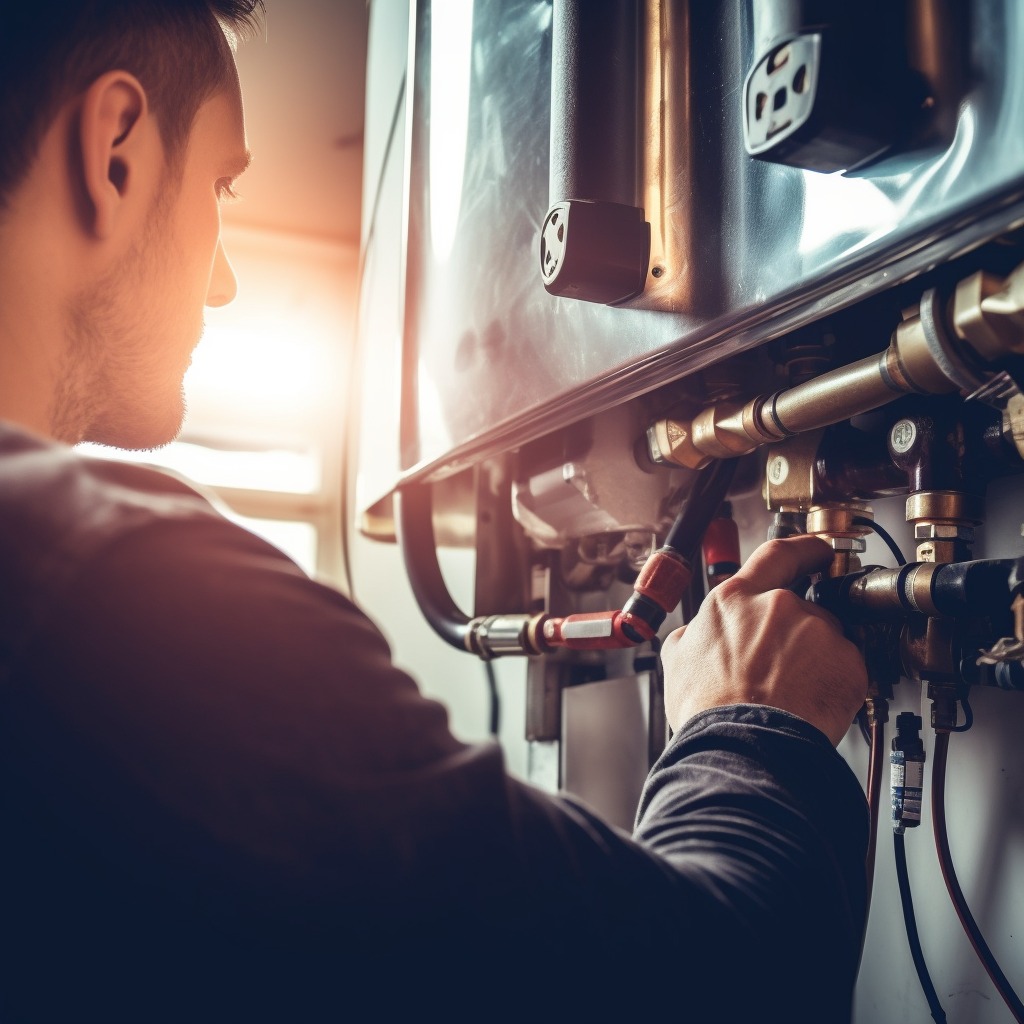
Want to extend your boiler lifespan? Regular servicing and looking after the wider heating system can make a real difference. Your boiler works hard to provide heating and hot water throughout the year, and a few sensible maintenance steps can help keep it operating reliably for longer. Here are our 10 practical tips for homeowners and landlords in Leicester.

At CRS Matrix in Leicester, our Gas Safe engineers, with over 20 years of experience, are committed to helping you keep your boiler in optimal condition. Here are our top tips for ensuring your boiler stands the test of time.
How to Extend Boiler Lifespan with Regular Maintenance
Boilers are the unsung heroes of our homes, quietly working away to keep us warm and comfortable. However, like any piece of machinery, they require care and attention to ensure they continue to operate efficiently and reliably. By following a few simple steps, you can reduce the likelihood of avoidable faults and help support the long-term condition of the system.
1. Regular Servicing: The Key to Longevity
Regular servicing is like an annual check-up for your boiler. Just as you visit the doctor to catch any health issues early, having a qualified engineer inspect your boiler annually can help detect any potential problems before they escalate. By addressing these issues promptly, you can prevent them from becoming more serious and costly to fix, ultimately prolonging the lifespan of your boiler.
2. Install a Magnetic Filter: Shielding Your Boiler from Harm
A magnetic filter acts as a shield for your boiler, protecting it from the harmful effects of sludge and debris that can accumulate in your heating system over time. By capturing these impurities before they reach your boiler, a magnetic filter helps to keep your system clean and efficient, reducing the risk of breakdowns and extending the lifespan of your boiler.
3. Add Inhibitor to your System: Boosting Your Boiler’s Immune System
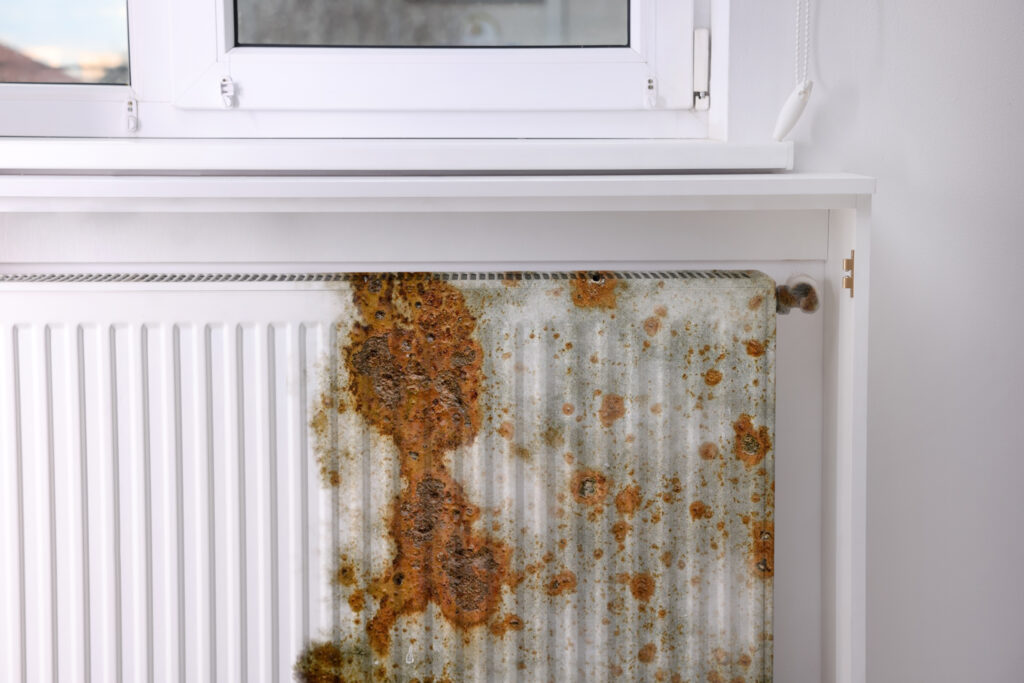
Central heating inhibitor helps protect the internal surfaces of the heating system against corrosion and scale formation. Maintaining the correct inhibitor level can help reduce the development of sludge and debris, supporting the condition of the boiler, radiators and pipework over time.
4. Powerflush: Detoxifying Your Heating System
Where a heating system is affected by significant sludge, rust or debris, appropriate system cleaning may help restore circulation and improve performance. A power flush can be suitable in some circumstances, but the system should be assessed first so the appropriate cleaning method can be recommended.
5. Bleed your Radiators: Keeping the Circulation Flowing
Bleeding your radiators is like releasing trapped energy in your heating system. When air becomes trapped in your radiators, it prevents them from heating up properly, leading to cold spots and reduced efficiency. By bleeding your radiators regularly, you allow the heat to flow freely, ensuring your boiler operates as efficiently as possible.
6. Give it a Summer Run: Preventing Seasonal Stagnation
Giving your boiler a summer run is like stretching your muscles before a workout. By occasionally turning on your heating system during the warmer months, you keep it in good working condition and prevent it from seizing up. This practice also allows you to identify any issues early on and address them before they become more serious.
7. Insulate the Pipes: Wrapping Your Boiler in Warmth
Insulating your water pipes is like wrapping them in a cozy blanket. Lagging the pipes in your garage and loft protects them from freezing temperatures and prevents heat loss, much like how a blanket keeps you warm on a cold night. Additionally, if your boiler is condensing, insulating the condensate pipe prevents it from freezing and causing damage.
8. Keep the Area Around the Boiler Clear: Allowing for Smooth Operation

Keep the area around the boiler reasonably clear and make sure any manufacturer-required ventilation openings are not obstructed. Keeping good access around the appliance also makes inspection, servicing and maintenance easier.
9. Monitor Your Boiler’s Performance: Listening to its Signals
Keeping an eye on your boiler’s performance is like tuning in to your body’s signals. By paying attention to any unusual noises, odours, or changes in performance, you can catch any issues early on and address them before they escalate. This proactive approach can help prevent costly repairs and ensure your boiler continues to operate efficiently.
10. Knowing When to Call a Professional: Trusting the Experts
Knowing when to call a professional is like having a trusted advisor on speed dial. While there are many things you can do to maintain your boiler yourself, some tasks are best left to the professionals. If you’re unsure about anything or notice any signs of trouble, don’t hesitate to contact an appropriately qualified Gas Safe registered engineer for advice and assistance. They have the knowledge, skills, and experience to diagnose and repair any issues quickly and effectively, ensuring the continued safety and efficiency of your boiler.
We hope these tips help you maximise the lifespan of your boiler and keep it running smoothly. However, if you notice any signs indicating the need for a new boiler—such as frequent strange noises, constant leaking, or variations in water temperature—it sadly might be too late, and it’s time to consider a replacement.
If your boiler is becoming unreliable or you’re unsure about its condition, our Leicester Gas Safe engineers can assess the appliance and help you understand whether repair, maintenance or replacement is the appropriate next step.
Taking a proactive approach to servicing and heating system maintenance can help extend boiler lifespan and keep the system in better condition for longer.