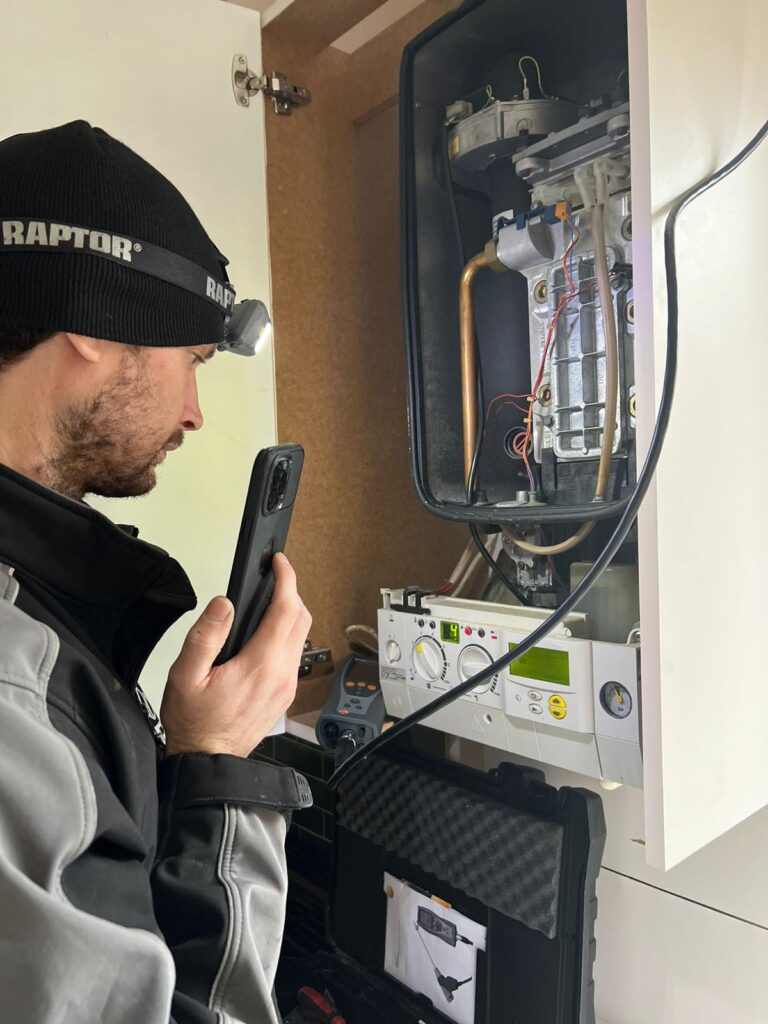
Central heating sludge can restrict water flow, leave radiators unevenly heated and contribute to recurring boiler faults. If the same problem keeps coming back, checking the heating system as a whole can help you decide what work is worth doing.
What is central heating sludge?
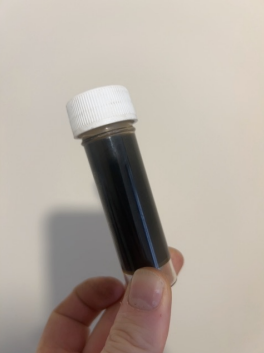
Sludge is a build-up of corrosion particles and other debris in the water circulating through your heating system. Magnetite, a dark iron oxide, is a common part of that build-up. It can settle in radiators or collect in pipework and boiler components, restricting circulation.
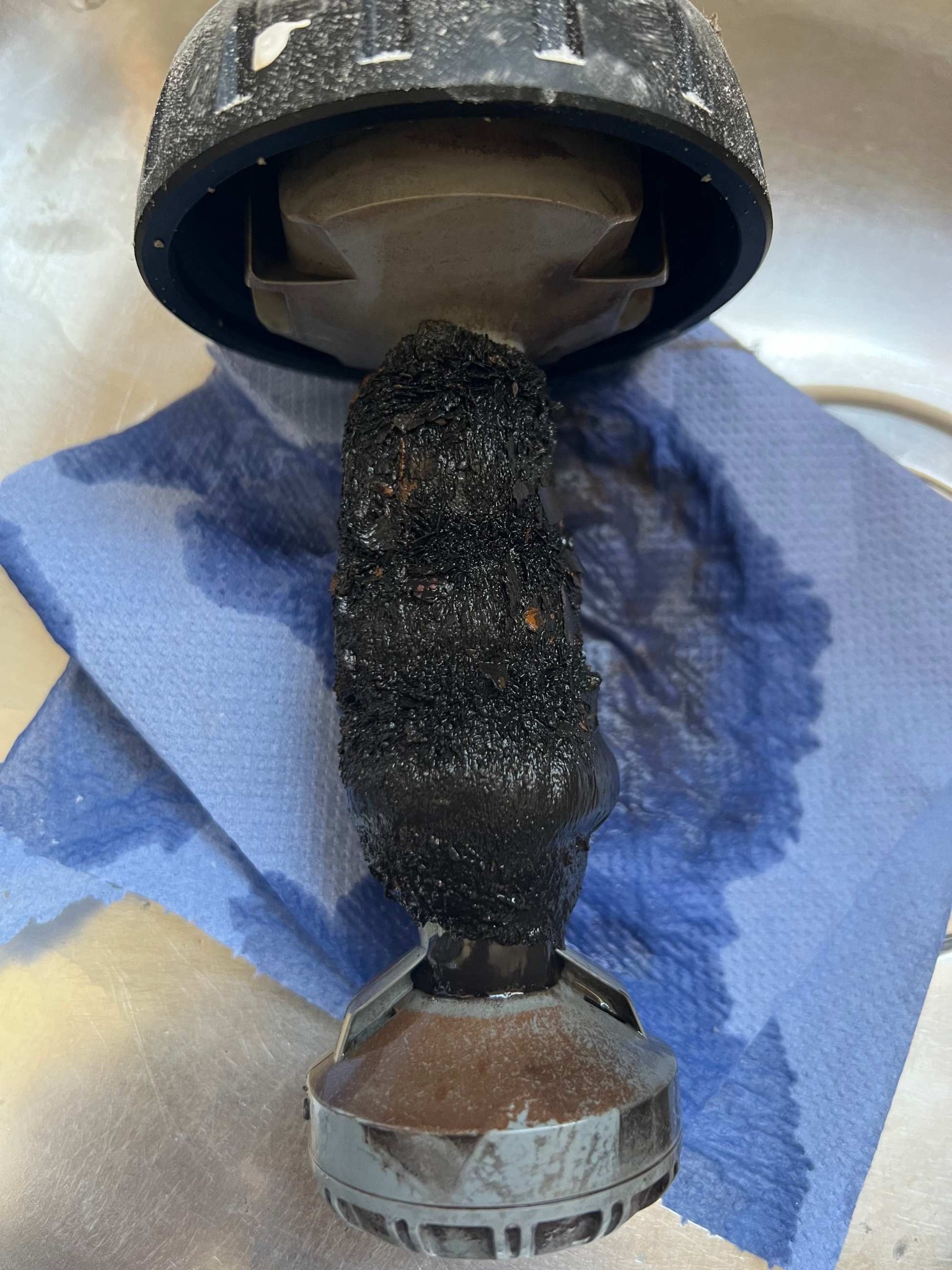
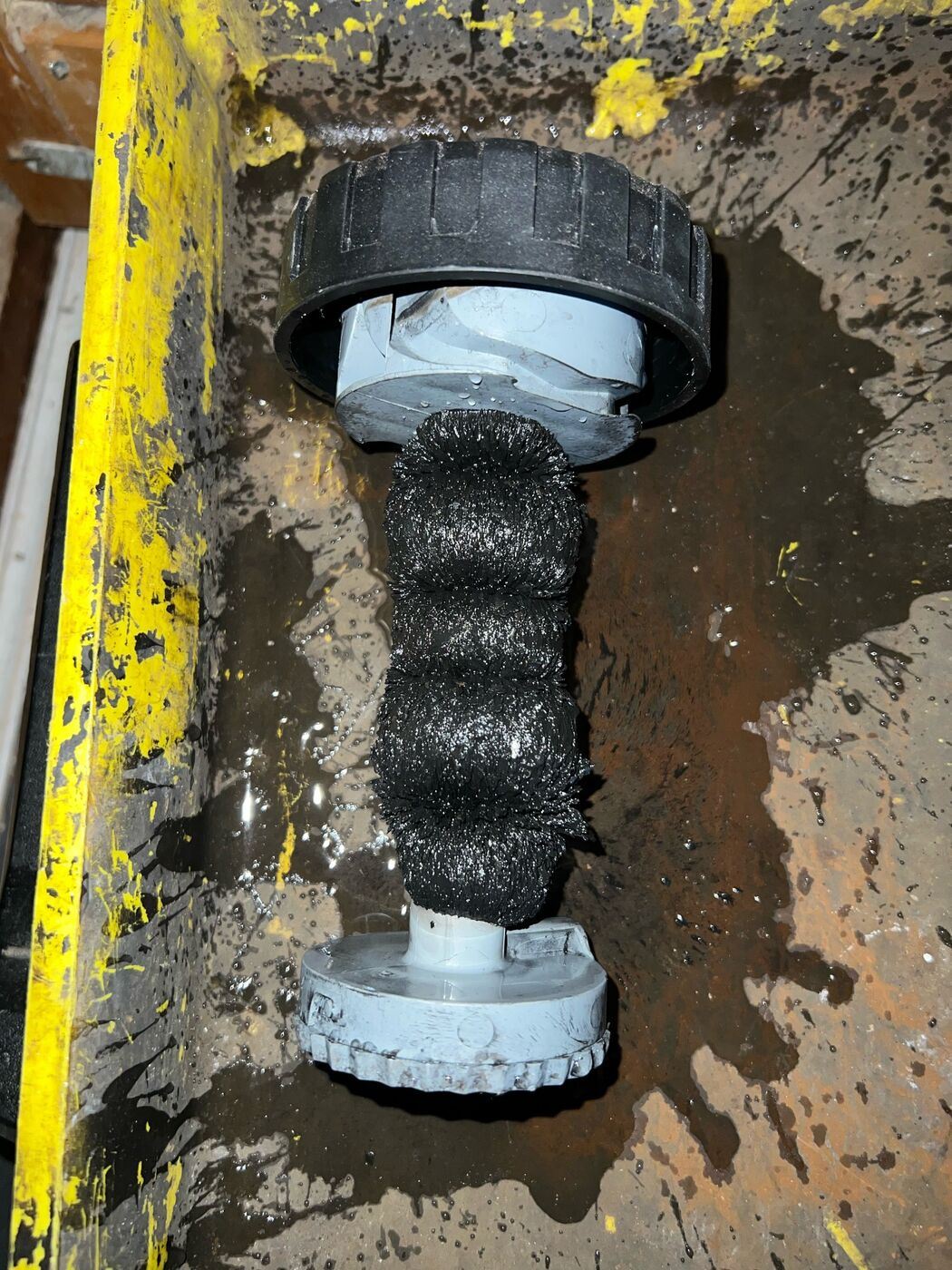
What are the signs of sludge?
Radiators that feel cold at the bottom while the top warms up, rooms that heat unevenly and recurring circulation faults can all point to sludge. Similar symptoms can have other causes, including valve, pump or balancing problems. A diagnostic visit can help establish what is happening before you commit to cleaning or replacing parts.
Why system water quality matters
ADEY’s published guidance cites research linking sludge to around 60% of UK boiler breakdowns. It also reports improvements in radiator heat output and gas use following treatment in affected systems. These are figures from ADEY’s source. The result for any individual property depends on the condition of its heating system and the work it needs.
How sludge affects radiator heat output
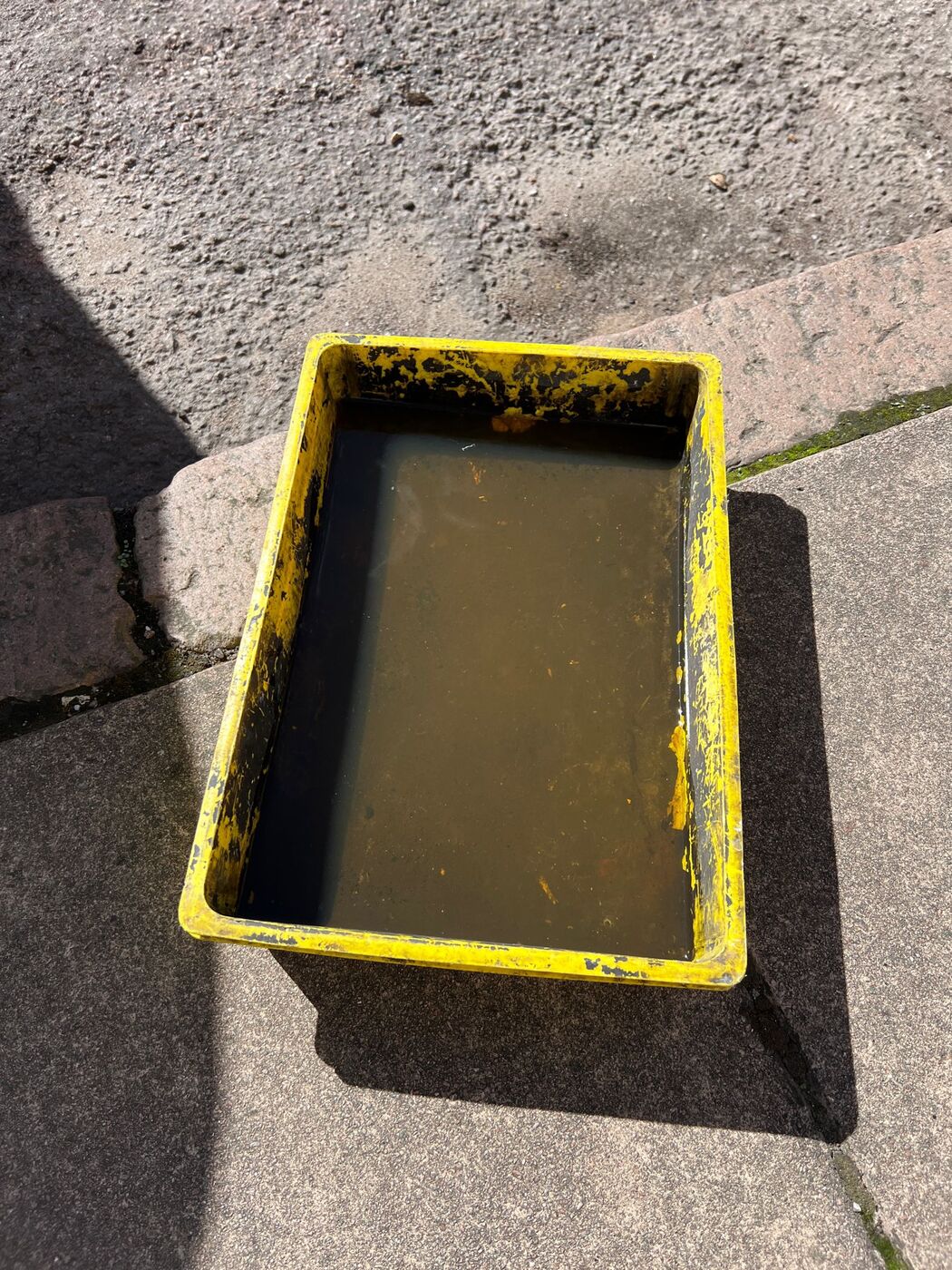
Sludge can settle in radiators and restrict the flow of hot water, leaving cold patches and making rooms harder to heat evenly. ADEY reports that cleaning affected systems improved radiator heat output by up to 47% in the research it cites. The improvement depends on the starting condition of the system.
Running costs and emissions
When circulation is restricted, the system can take longer to heat the property. ADEY cites research reporting up to 7% lower gas use and carbon emissions after treatment compared with a corrosion-filled system. Those figures describe the systems studied and do not predict savings for every property.
Protecting the system and your boiler guarantee
System cleaning, corrosion inhibitor and appropriate filtration each play a part in protecting water quality. The original guide also highlighted Part L guidance on water treatment when installing or recommissioning a system. If you have a new boiler, check the manufacturer’s installation and guarantee terms for specific requirements on cleaning, inhibitor and ongoing maintenance. An annual service is a good opportunity to ask your engineer about the condition of the wider system.
What can you do about it?
If the heating is slow, uneven or repeatedly losing performance, arrange a boiler diagnostic visit. Depending on the findings, the engineer may recommend testing the system water, cleaning the system, treating it with inhibitor or checking the magnetic filter. Check the boiler manufacturer’s instructions and guarantee terms when planning system treatment. For routine maintenance, see our boiler servicing in Leicester.
Frequently Asked Questions
Does a cold radiator mean there is sludge?
A cold patch at the bottom can point to sludge. An engineer can check circulation and other possible causes before recommending treatment.
Does a boiler service remove sludge?
A boiler service covers the boiler’s routine checks. System water testing or cleaning may be recommended separately if there are signs of contamination.
Will I need a powerflush?
That depends on the amount of contamination, the system’s condition and the cause of the symptoms. Ask your engineer to explain the findings and the cleaning options before agreeing to work.
Still having problems with your heating?
If your radiators are heating unevenly or a boiler fault keeps returning, our Leicester team can investigate and explain the next step.
ADEY’s published guidance was the main technical source for this guide. Last reviewed against the published source on 13 November 2026. The appropriate treatment depends on the condition of the individual heating system.
ADEY | Sludge: A Costly Hidden Threat to Your Customers’ Boiler